


Under insurance risk: what property owners get wrong
12 May 2026
For many property owners, insurance is treated as a tick-box exercise. A figure is agreed, a premium is paid, and it’s assumed everything is covered.
The reality is often very different.
Underinsurance is one of the most common risks facing property owners today. And many don’t even realise there is a problem until a claim is made – when it’s too late.
It is why we see it as part of our duty to educate on the importance of regularly reviewing your rebuild costs and getting expert advice.
We hear far too often of business closing, or developers going bankrupt because they have fallen foul of underinsurance; each cautionary tale a reminder of the real human and financial impact behind what can seem like a technical detail.
At the other end of the scale, overinsurance can see businesses paying too much, affecting their bottom line.

A widespread problem hiding in plain sight
Research suggests this is not a marginal issue.
The Building Cost Information Service (BCIS) estimates 70-80% of UK commercial properties are underinsured, with average shortfalls often 20-40% below the true rebuild cost.
At the same time, the Association of British Insurers found many businesses are not regularly reviewing their cover – and in some cases, not insuring their premises at all. Its 2026 report highlights only 41% of SMEs who believe fire or flood would be a major issue actually have insurance in place to mitigate that risk.
How the average clause reduces insurance payouts
The consequences of underinsurance are often misunderstood.
Many property owners assume that if they make a claim, the insurer will simply pay out the cost of the damage – or at least up to the full sum insured. In practice, most policies include an average clause.
This means if a building is insured for less than its true reinstatement cost, any claim may be reduced proportionately.
For example:
- A building is insured for £1m
- The actual rebuild is cost £2m
- The building is damaged by fire, needing £500,000 to repair it.
- Instead of receiving £500,000, the insurer may only pay £250,000, because the building was insured at 50% of its true value.
The harsh reality is building owners need to understand is this is standard policy practice.
Several real-world examples show the painful realities of underinsurance.
In one shared by the ABI, a hospitality business that suffered a fire and was found to be underinsured by 60% had a shortfall of more than £500,000 to repair the damage, combined with insufficient business interruption cover. The business ultimately had to close.
In a separate warning, Zurich also shared a case where a property insured for £9.5m had an actual rebuild cost of £13.3m. After the average clause was applied, this left a funding gap of £567,000.
These devastating liabilities could have been avoided if they had taken expert advice from quantity surveyors.
Why underinsurance happens – and where property owners need to be alert
Increasing costs
In recent years, the risk has grown. Construction costs have risen sharply due to inflation and labour shortages, plus there are the added financial costs of regulatory changes and the move towards decarbonisation.
According to insurers at Zurich, materials prices are forecast to rise by around 15% and overall building costs by approximately 17% over the next five years, while labour costs continue to increase.
Even where valuations were accurate a few years ago, they may no longer reflect current conditions. But the ABI found in its survey that only half of businesses had reviewed the types of insurance they hold or their level of cover in the last 12 months.
This is especially important for older or specialist buildings, where rebuild costs are driven not just by materials and labour, but by the need for specialist skills and compliance with heritage or conservation requirements.
Lack of knowledge
Most underinsurance is the result of assumptions:
- Using market value or purchase price instead of true rebuild cost
- Relying on outdated valuations
- Applying generic £/m² estimates
- Failing to account for fees, VAT, inflation or regulatory changes
These are technical calculations and getting them wrong has real financial consequences. It is why professional Reinstatement Cost Assessments are critical.
One of the most common misconceptions is assuming the purchase price of a property reflects the actual cost of rebuilding it. When in reality, the two can be vastly different.

Historical buildings and high value locations
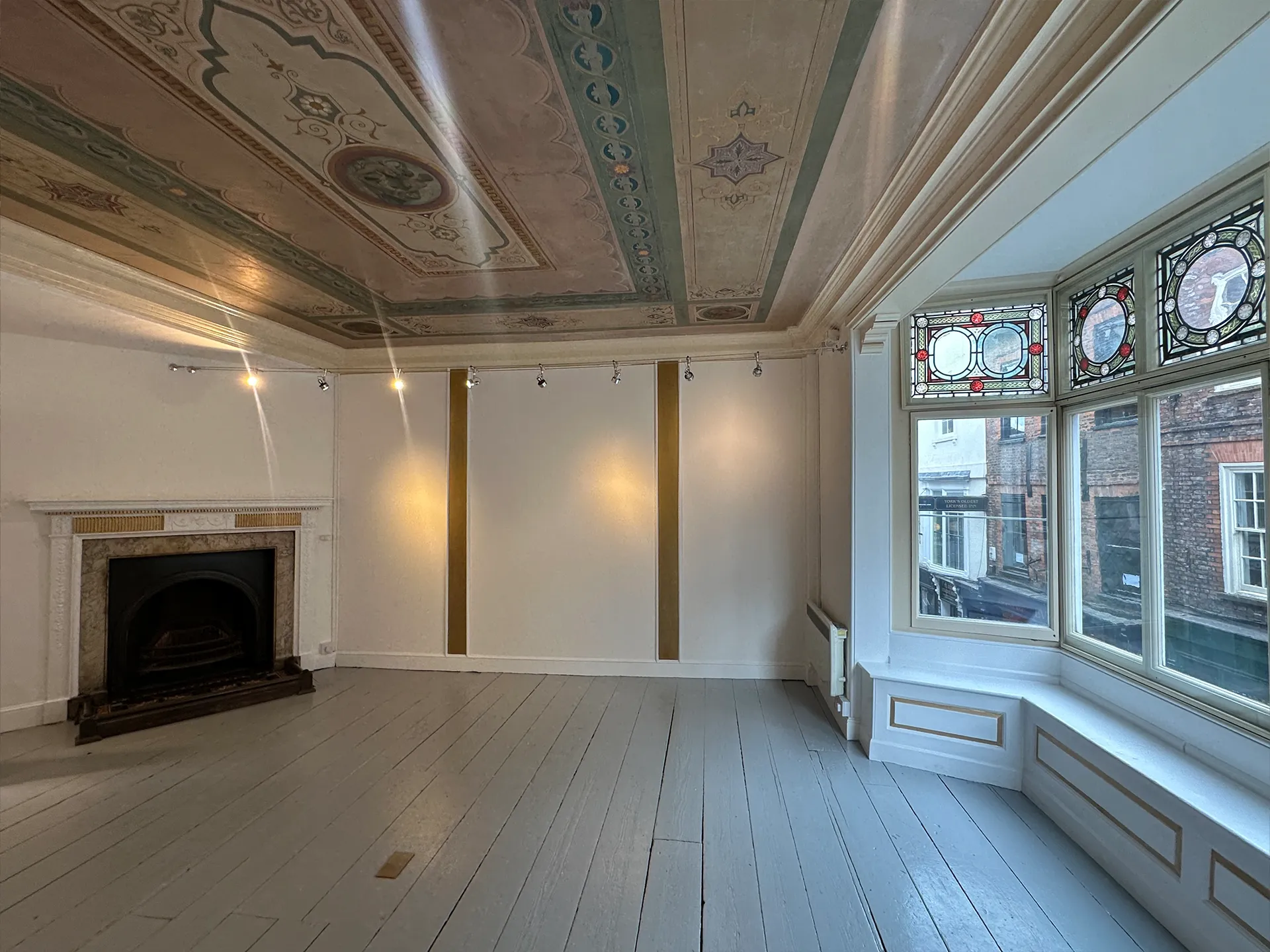
A Grade II listed manor house might be purchased for £800,000, but the cost to reinstate it could be significantly higher. Rebuilding, in this instance, requires specialist materials, skilled craftspeople such as stonemasons, and conservation expertise to match original features – all of which adds considerable cost beyond standard construction.
Location also plays a role. In areas such as London, a significant portion of a property’s value may sit in the land rather than the building itself.
In contrast, in regions where land values are lower, the rebuild cost can represent a much greater proportion of the overall value – meaning the gap between purchase price and reinstatement cost can be even more pronounced.
The hidden danger of underestimating business interruption periods
The cost of putting things right is not just about bricks and mortar, it’s about time too. Many businesses underestimate how long it will actually take to repair or rebuild and get back up and running. What might seem like a straightforward project on paper can quickly stretch to 18–24 months or more once design, approvals, procurement and construction are taken into account.
If business interruption insurance only covers part of that period, the financial pressure builds quickly. Payments can stop before the business has fully recovered, leaving the owner to fund the remaining costs and lost income themselves.
When the timeline is underestimated, it affects cashflow, decision-making and, in some cases, whether a business can continue at all.
This is why it is so important to understand the full picture. It is an area where careful planning and expert advice can make a substantial difference, helping ensure both the cost and the time required for recovery are properly accounted for from the outset.
What businesses need to do to protect themselves – how to avoid underinsurance with expert reinstatement cost assessments
According to the Association of British Insurers, which questioned 1,000 SME decision makers in surveys and focus groups, underinsurance, is mostly driven by:
- Business owners not understanding products
- Deliberate decisions to insure less than the full risk
- Failure to update cover regularly.
At DCP, our accredited Quantity Surveyors provide precise reinstatement cost assessments based on current building costs, inflation and industry-recognised methods. All our assessments are carried out in line with Royal Institution of Chartered Surveyors Guidance Notes, ensuring accuracy and compliance.
We help clients understand what should be included, from professional fees to reinstatement timelines, so they can secure the right level of cover with confidence.
Insurance should do two things:
- Protect you fully if the worst happens
- Avoid unnecessary cost where it doesn’t
Underinsuring leaves you exposed. Over insuring means paying more than you need to. Getting that balance right requires expertise. Because when a claim is made, the numbers are tested, and it is the property owner, not the insurer, who carries the risk of getting them wrong.
For more information about how we can help with your Reinstatement Cost Assessments.
Trusted & Accredited


Designed by Barber Jackson
© Daniel Connal Partnership 2026
Designed by Barber Jackson